
WILDERNESS SAR INTELLIGENT SYSTEM
A SARtopo-extended search coordination system with two connected interfaces:
a tablet interface for command + information intake, and an AR safety-goggle interface for field operation.
Type
Independent
AI-Assisted Design
Tools
Figma
Twinmotion
THE PROBLEM
SAR operations are limited by fragmented early information and the cognitive burden of coordinating search in dynamic, high-stress environments.
THE SOLUTION
A connected SAR system that extends SARtopo with an AI-assisted coordination platform and AR safety goggle interface.
Key Features
ON-BOARDING SCAN
This allows the system to recognize surrounding environment to be activated.
AI GROUND DETECTION
AI-assisted detection of ground-level search clues, highlighting potential evidence in real time.
SHARED INFORMATION LAYER
Visualizes team activity in real time, enabling coordinated and non-overlapping search.
COMMANDER DASHBOARD
Visualizes grid search activity in real time, with AI POD enhancement.
COMMANDER DASHBOARD
3D bar graph POD visualization.
Behind The Scenes
A GROWING PROBLEM IN THE WILDERNESS
In recent years, wilderness has become more accessible and more crowded. More people are hiking than ever before. Social media, outdoor culture, and post-pandemic lifestyle shifts have driven a surge in first-time and inexperienced hikers entering national parks and remote trails.




INTERVIEW
To better understand the realities of wilderness search and rescue, I conducted an in-depth interview with two SAR coordinators with extensive experience managing wilderness operations.

CURRENT WORKFLOW
SARTopo is a coordination tool implemented 5 years ago and is now used in every SAR mission.


The system works—but it doesn’t scale with urgency.
Fragmented field communication
Manual input dependency → data is delayed
No real-time ground-level intelligence
High cognitive load during operations
DESIGN OPPORTUNITY

HMW enable real-time shared intelligence while reducing cognitive load in the field?
WHY AR?
In high-risk environments, AR allows:
Hands-free information access
Spatial overlays directly in the environment
Reduced need for screen interaction
DESIGN RATIONALE
Most crucial information should require the least amount of effort to access.
Gamification as clarity and stress reduction
Minimal UI interaction for cognitive load reduction
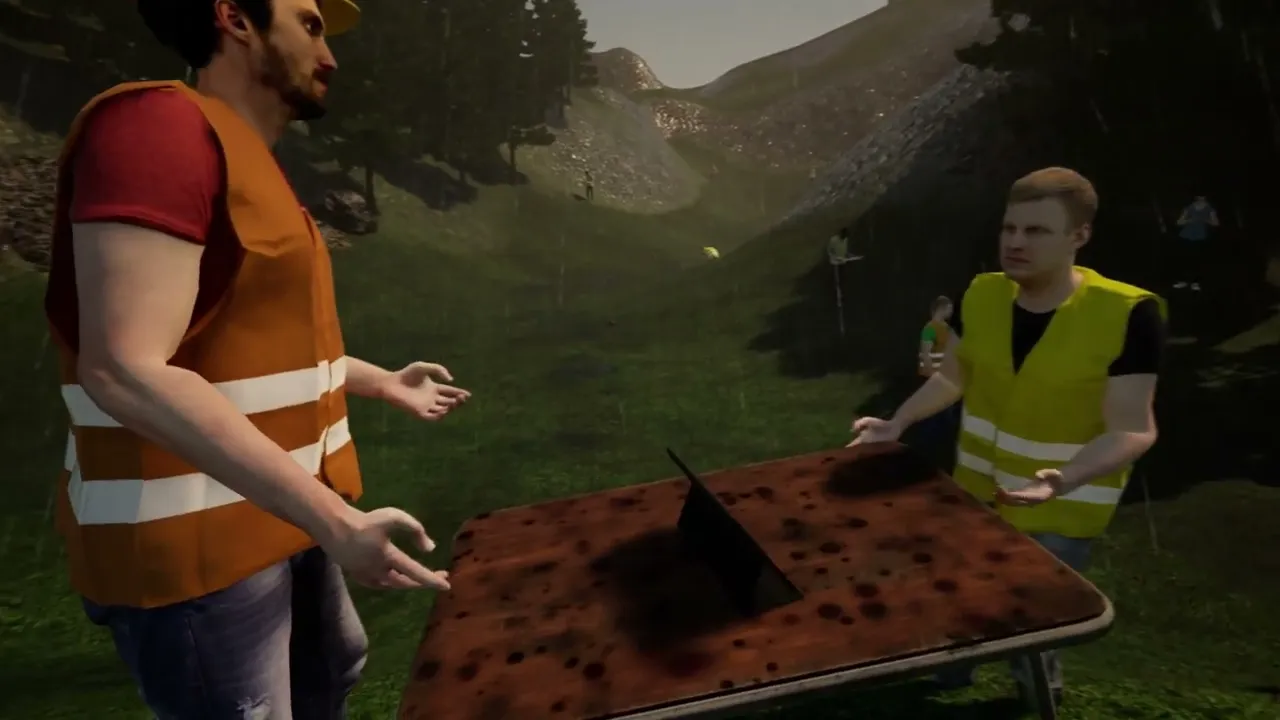
TWINMOTION SCENE SETUP
TAKEAWAY
1
Technology should augment, not replace, human expertise.
3
Designing for extreme environments requires balancing multiple disciplines.
2
Adoption depends on seamless integration into existing workflows.
4
Research should continuously shape the design direction.
FULL WALKTHROUGH